Season 1 · Episode 5 · Assam · Northeast India
Baak
— Something Is Always Listening
Also written Bak, Bāk
In Assam, fishermen never speak of their plans out loud. The Baak takes the face of someone you trust, walks beside you at dawn, and waits until you are alone.
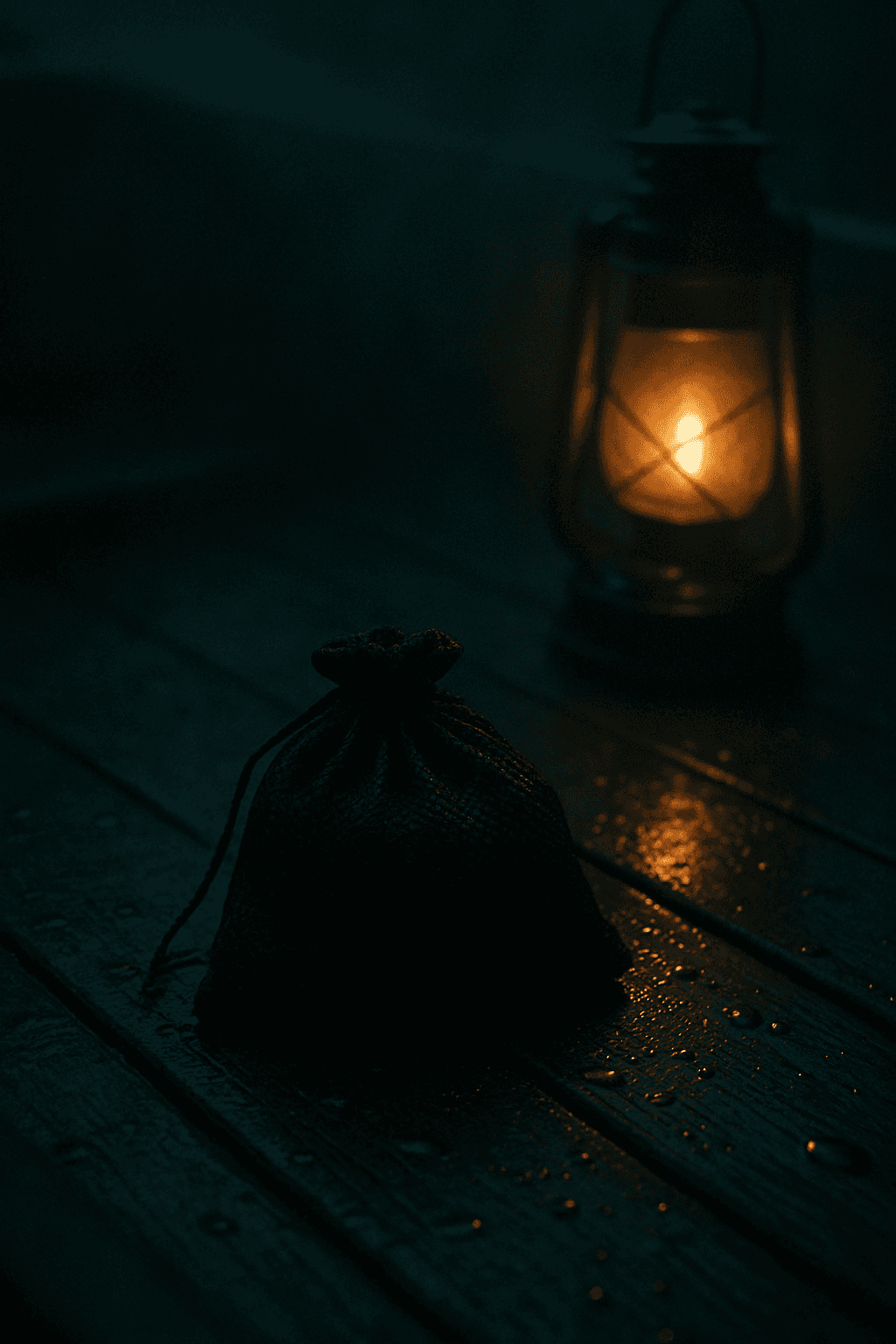
Steal the pouch, and the Baak is yours.
The Folklore
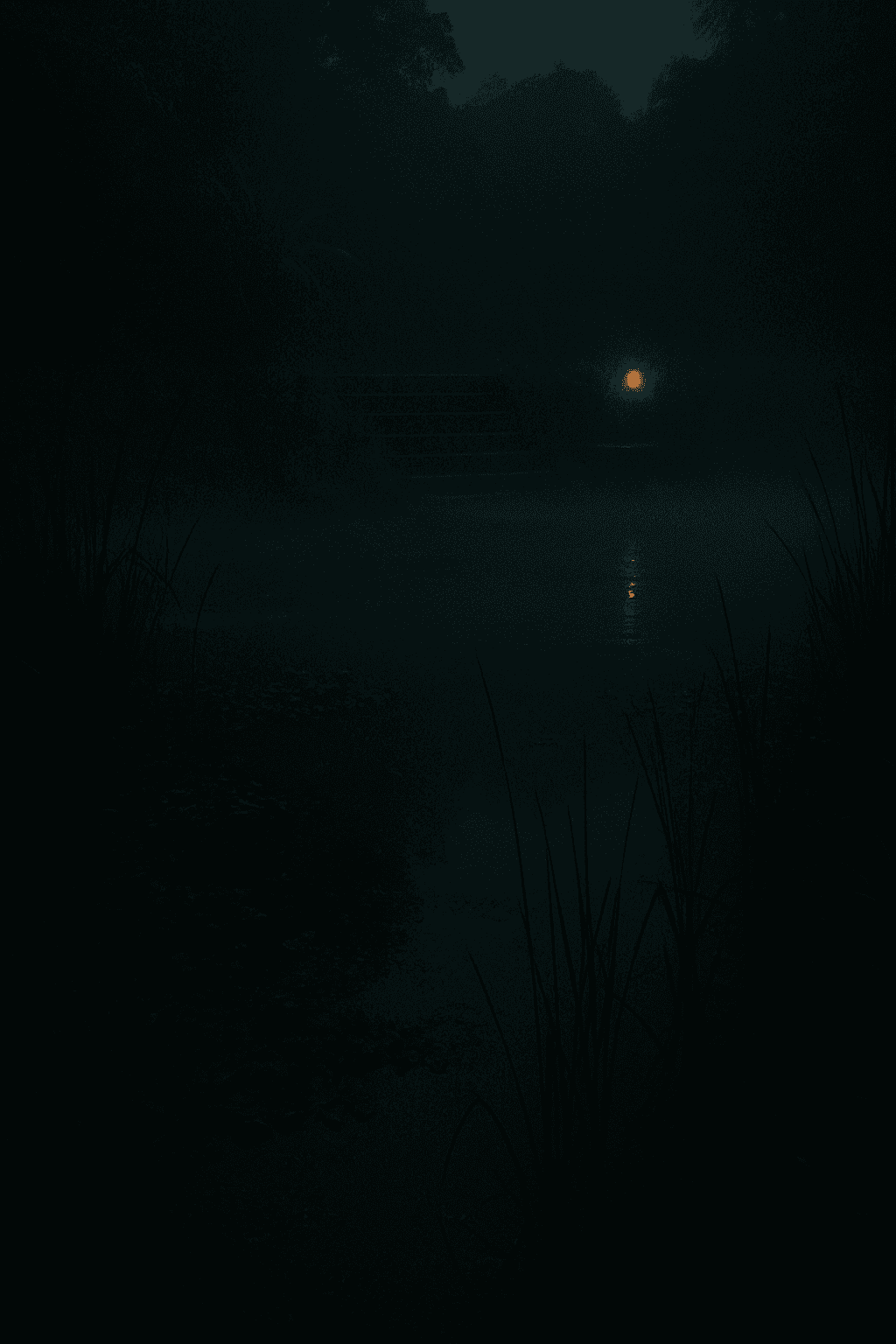
The Baak is the best-known monster in Assamese folklore. It lives in still water — swamps, lonely ponds, abandoned temple tanks choked with weeds — and it is always, always looking for fish.
In its own form it is very tall and very thin, a gangly shadow of a thing with long fingers and long toes and matted hair, and it stinks of rotting seafood. But you are unlikely to meet it that way.
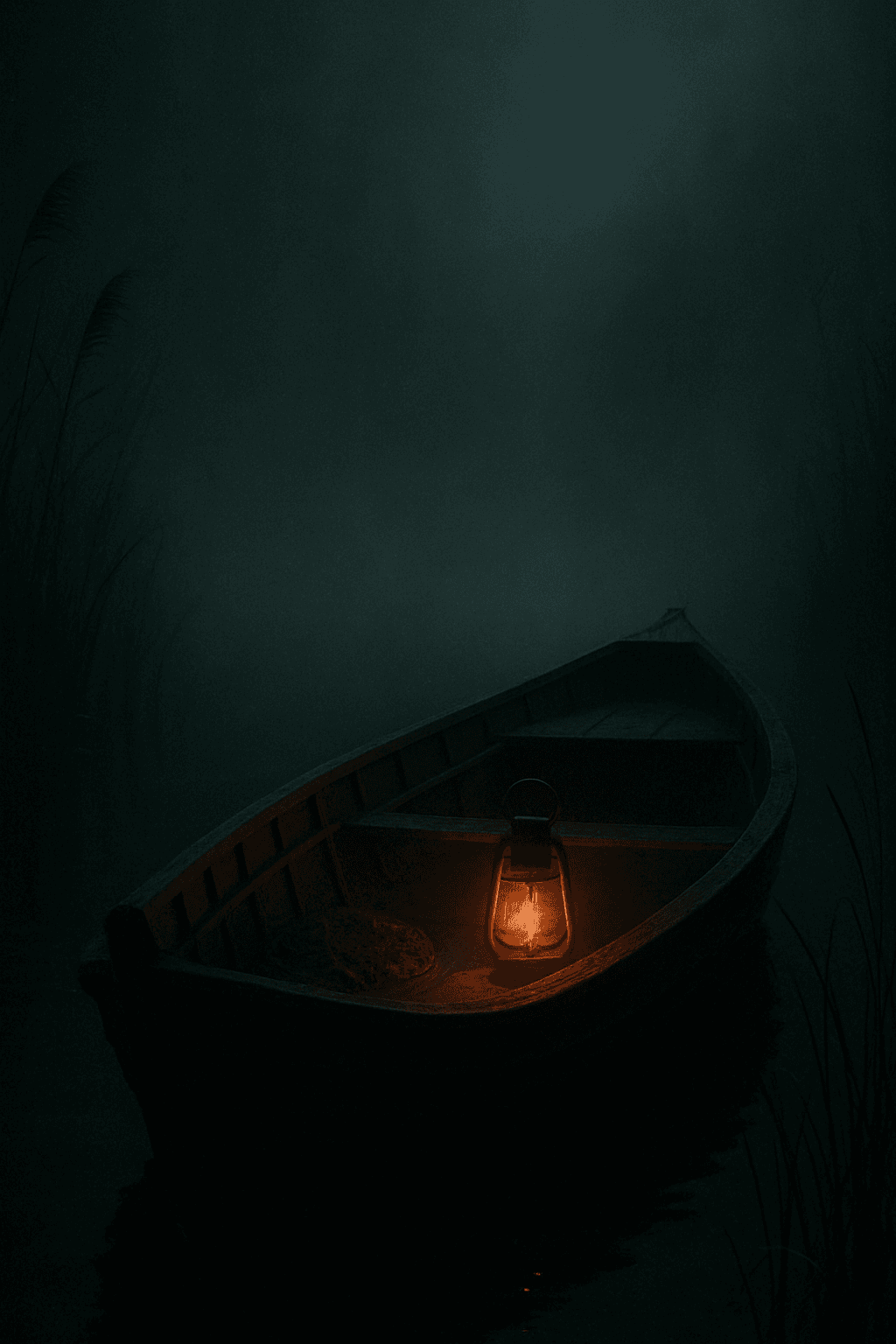
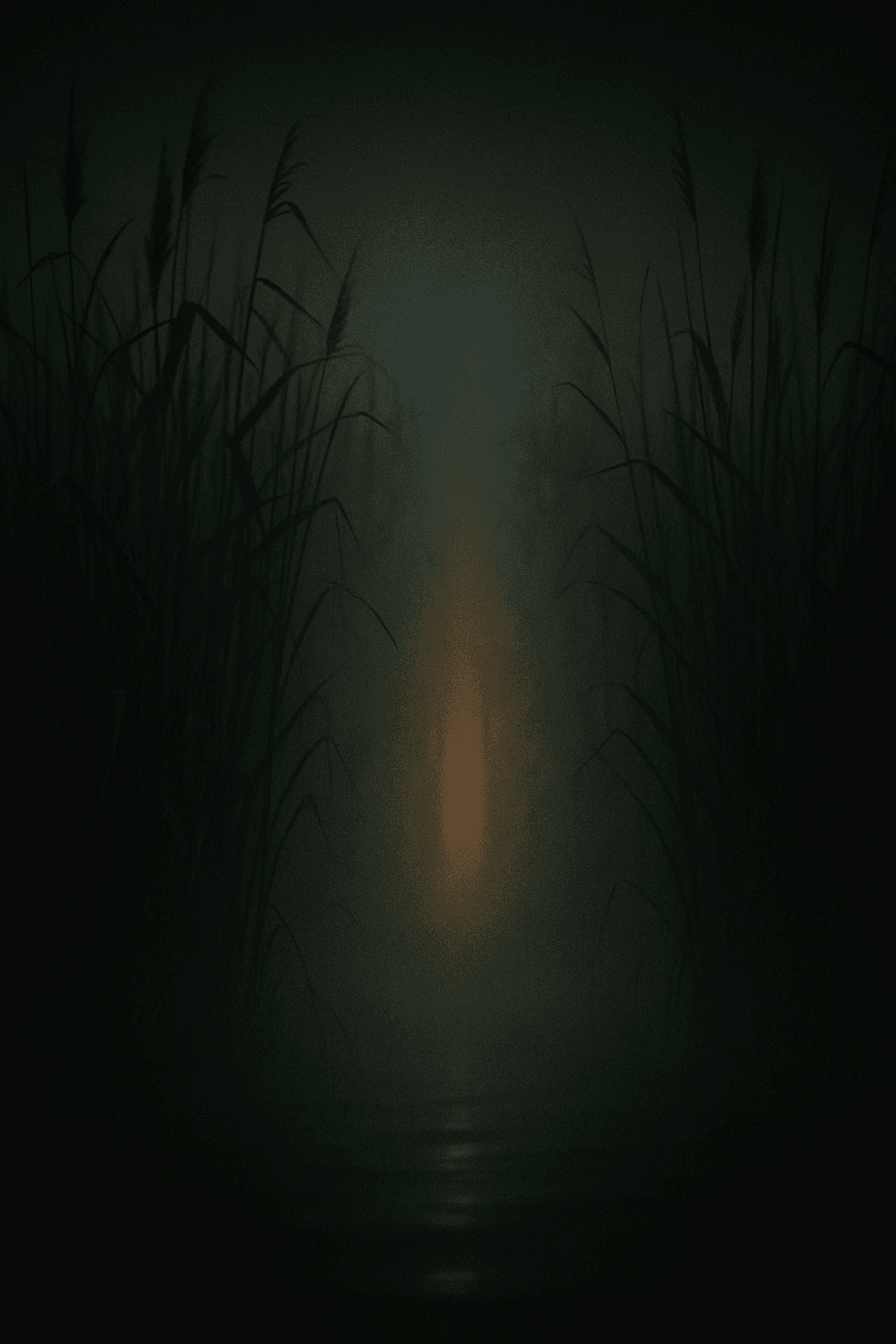
It can become mist, drifting through the swamp grass, putting out tendrils to lift the catch straight out of a boat. And it can become a person — a friend, a neighbour, someone whose face you have no reason to doubt. It walks beside fishermen at dawn wearing that face, talks to them, and waits until they are alone.
It also needs the dead. To keep going, a Baak has to occupy a human corpse from time to time and draw on it. The quieter ones make do with bodies the water already holds — the drowned, and those murdered and thrown in. Others do not wait for a body to become available.
A Baak wearing the dead does not hide. It goes home to their family.
How You Survive It
Every Baak carries a small pouch. It looks like black fishnet and is made of nothing from this world, and it holds the creature's power. Steal it and the Baak is yours — it will take human shape and serve you, and do as it is told. But it is never resigned to this. It watches, and it waits, and the moment you are careless it takes the pouch back. Then it is no longer a servant, and you are the one who stole from it.
What Didn't Fit in 90 Seconds
It may not be one creature at all
The legends of the Baak, the Doht and the Ghorapaak overlap so heavily that the source treats them as possibly the same being under three names — or three related varieties of the same thing. Assam may not have one water spirit so much as a family of them.
Not every Baak is a killer
The source draws a line the episode has no room for. The more peaceable Baaks take only bodies the water already had — the drowned, the discarded. Killing to obtain a fresh corpse is a choice some make and others do not. It is a monster with a moral range.
Why nobody names the catch out loud
The habit of not speaking about fishing plans, and of carrying chillies, garlic and a blade after dark, is village practice rather than something the chapter records. It is the part of the story that survives as behaviour instead of narrative — people still doing the thing long after the reason became a tale.
What We Changed
No powers or weaknesses were added. The episode leans harder on the shape-shifting than the source does, because a creature that wears your neighbour's face is a sharper hook than a tall thing in a swamp, and it drops the Doht and Ghorapaak overlap entirely for time. The wards — chillies, garlic, a blade — come from living village practice rather than from the cited chapter.
Source
- Ghosts, Monsters, and Demons of India, Chapter 25
How It Was Made
- The strongest moment in the whole episode is the line that stops describing and starts addressing the viewer directly — 'But you will not see its true form.' Second-person turns a story about a creature into a warning aimed at the person watching.
- Long stretches of pure description are where attention goes to die. Stacked adjectives about how the creature looks lose people faster than almost anything else; behaviour holds them, appearance does not.
- Silence between lines is not a dramatic pause, it is an exit. Every gap with no narration and no movement is a place viewers leave.
- Physical, touchable details land hardest — a blade, a pouch you could pick up. Abstract dread is weaker than one object the viewer can imagine holding.